

Domiciliary home care (often shortened to home care or domiciliary care) is professional support delivered in someone’s own home. For many people, it is the difference between coping and thriving - helping them stay safe, well, and independent while remaining in familiar surroundings.This guide...

Christmas is traditionally a time of celebration and family togetherness, yet for bereaved older adults, the festive season can intensify grief and loneliness. The loss of a spouse, family member, or close friend is profound at any time, but Christmas - with its emphasis on family gatherings and...
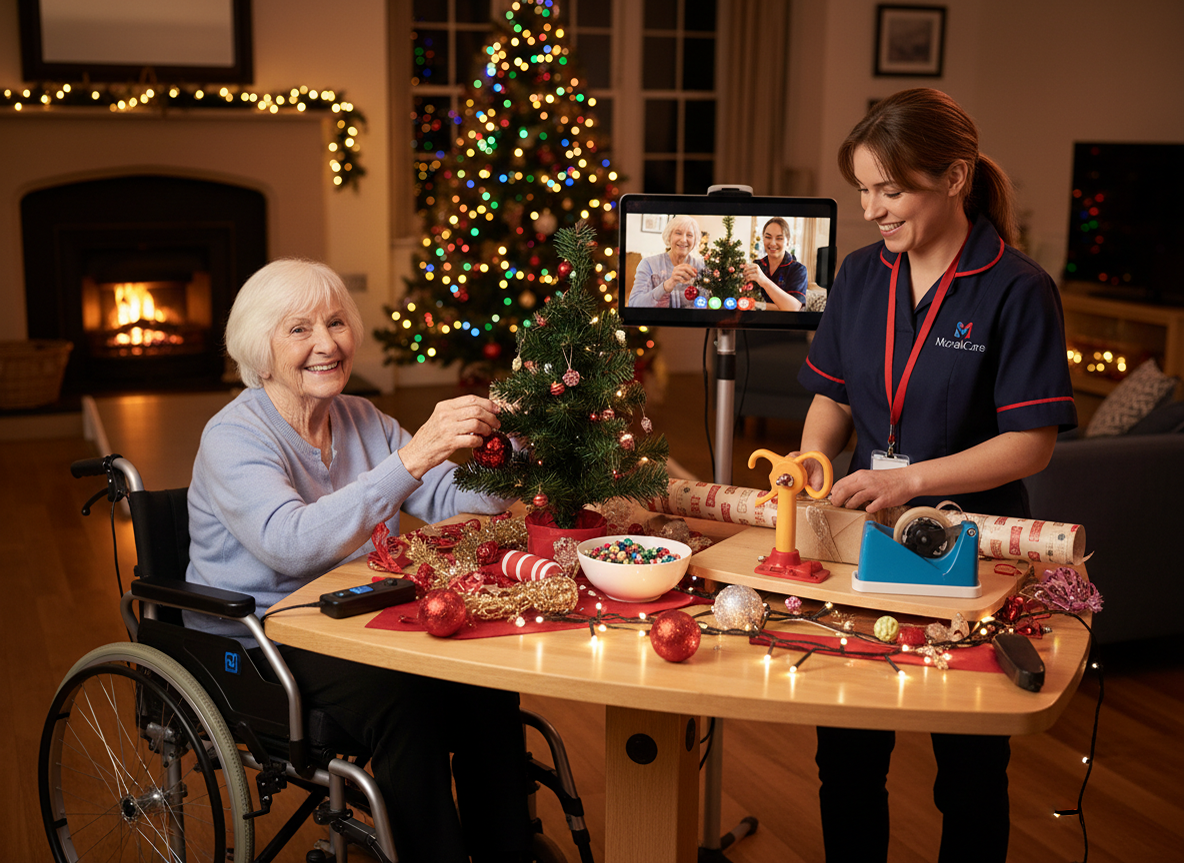
Christmas is a time for celebration, connection, and joy, but for people with mobility limitations, participating in traditional festive activities can feel challenging or impossible. With thoughtful adaptations and creative alternatives, older adults with mobility issues can fully participate in...

Winter presents unique health challenges for older adults. Cold weather, reduced daylight, seasonal illnesses, and changes in activity levels can impact physical health, mental wellbeing, and independence. Understanding these challenges and implementing practical strategies helps older people...

The Christmas period brings disruption to daily routines, and for older adults taking regular medications, maintaining consistency is essential for health and safety. Changes in schedule, family visits, travel, and the closure of some healthcare services can lead to missed doses, confusion about...

Christmas is traditionally a time of family togetherness and celebration, yet for many older adults, the festive season highlights loneliness and isolation. Whether due to bereavement, distance from family, mobility limitations, or social disconnection, loneliness during Christmas can significantly...
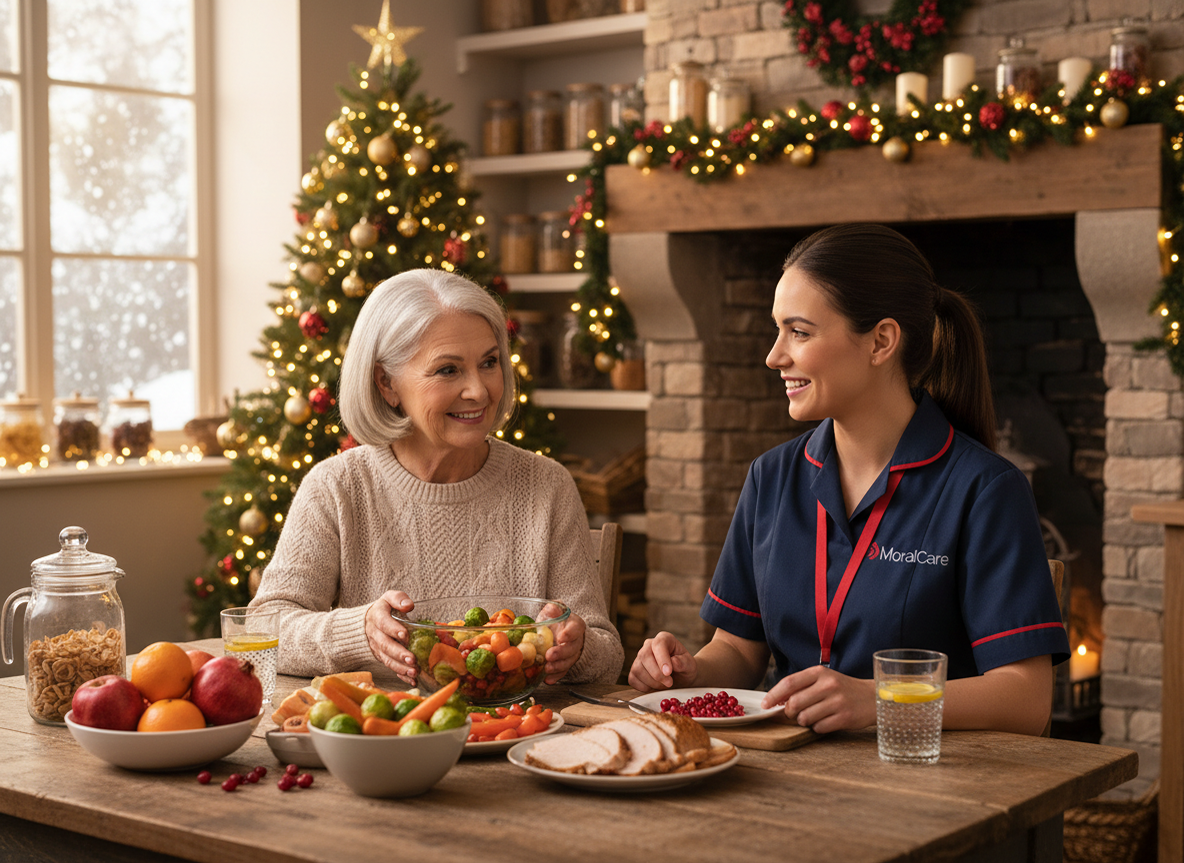
Christmas is a time of festive feasts and celebration, but for older adults, maintaining proper nutrition and hydration during the holiday season is crucial for health and wellbeing. The disruption to routines, rich foods, and reduced activity levels can lead to dehydration, constipation, and...

Christmas is a time of celebration, but for people living with dementia and their families, the festive season can bring additional challenges. Changes to routines, unfamiliar visitors, sensory overstimulation, and confusion about what's happening can cause distress and behavioural changes. This...

Christmas brings joy, celebration, and family gatherings—but it also introduces seasonal hazards that can pose serious risks to older people at home. Decorations, heating systems, and festive activities create an environment quite different from everyday routines. Understanding these risks and...

Professional uniforms are far more than a dress code requirement—they're a critical safety feature, particularly for vulnerable older people with dementia. At MoralCare, our colour-coded uniform system serves multiple essential functions: identifying staff roles, maintaining professional...
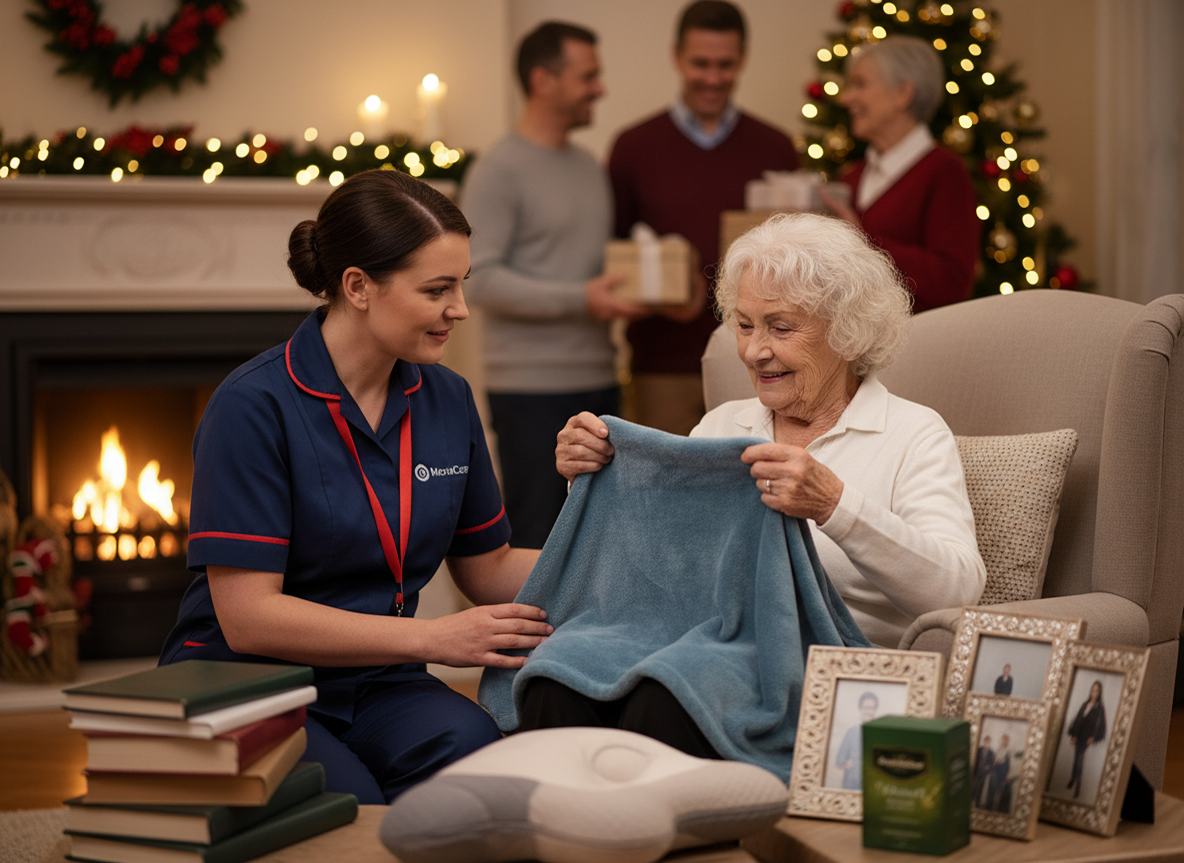
Choosing Christmas gifts for older adults with care needs requires thoughtfulness and understanding. The best gifts are practical, meaningful, and enhance quality of life without adding burden or complexity. Whether someone has mobility limitations, cognitive changes, or other care needs, gifts that...
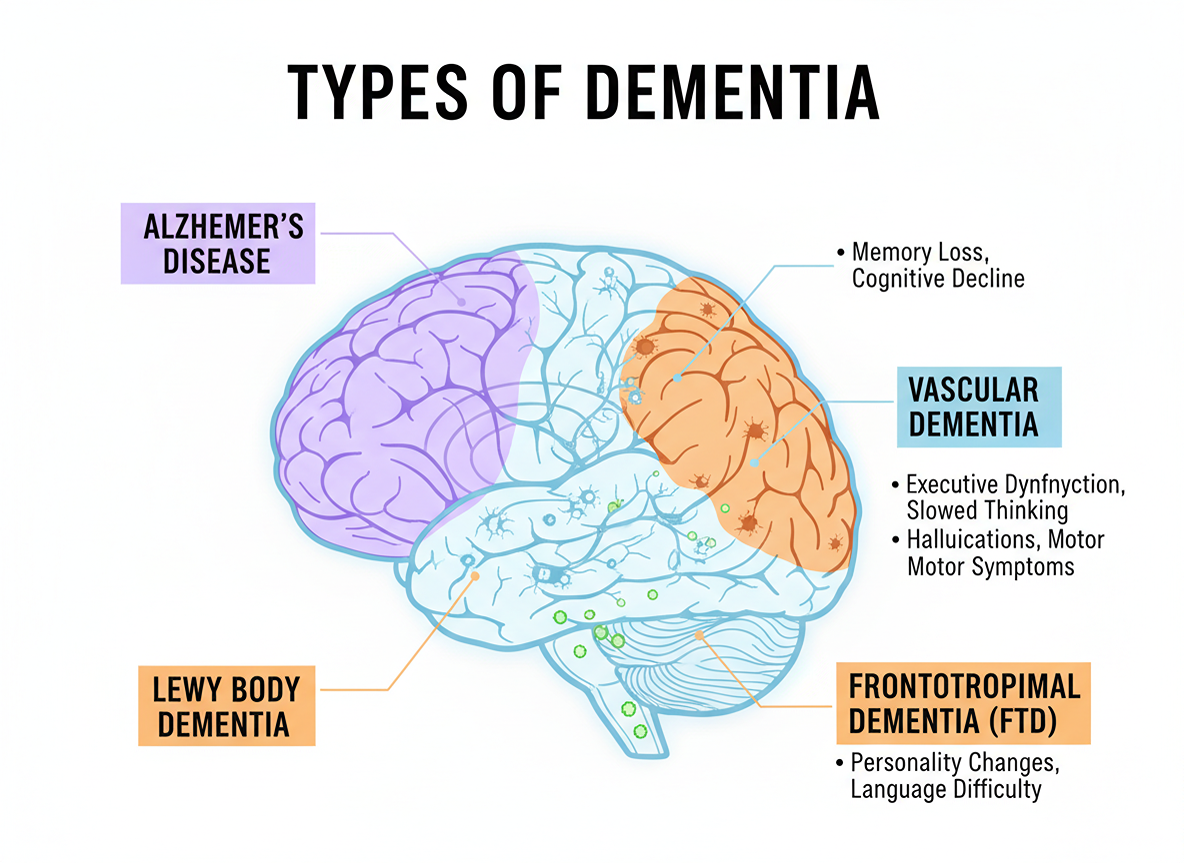
Dementia is an umbrella term for progressive cognitive decline, but not all dementias are the same. Alzheimer's disease accounts for 60-80% of dementia cases, yet other types present differently and require tailored approaches. Understanding these differences helps families access appropriate...

A percutaneous endoscopic gastrostomy (PEG) tube is a feeding tube inserted directly into the stomach, allowing nutrition and medication to be delivered when swallowing is difficult or unsafe. For families managing PEG care at home, understanding the basics ensures safety, comfort, and quality of...

Mental health challenges in later life are often overlooked, yet anxiety and depression significantly impact quality of life, physical health, and independence. Recognising these conditions and accessing appropriate support can transform wellbeing and restore enjoyment of daily life.Why Mental...

Incontinence is one of the most sensitive topics in elderly care, yet it affects millions of older adults across the UK. Whether temporary or long-term, managing continence with compassion and practical strategies can significantly improve quality of life and restore confidence.Understanding...

The Royal Lancaster Infirmary is currently operating at OPEL 4 - the highest level of internal escalation. This means our local hospital is under unprecedented pressure, with staff working tirelessly to manage severe demand and maintain patient safety. As a community-focused care provider, we want...

Dehydration is one of the most common yet overlooked health issues affecting older adults. Many families don't realise how quickly it can develop or how serious the consequences can be. If you're caring for an elderly loved one at home, understanding dehydration is essential to keeping them healthy...
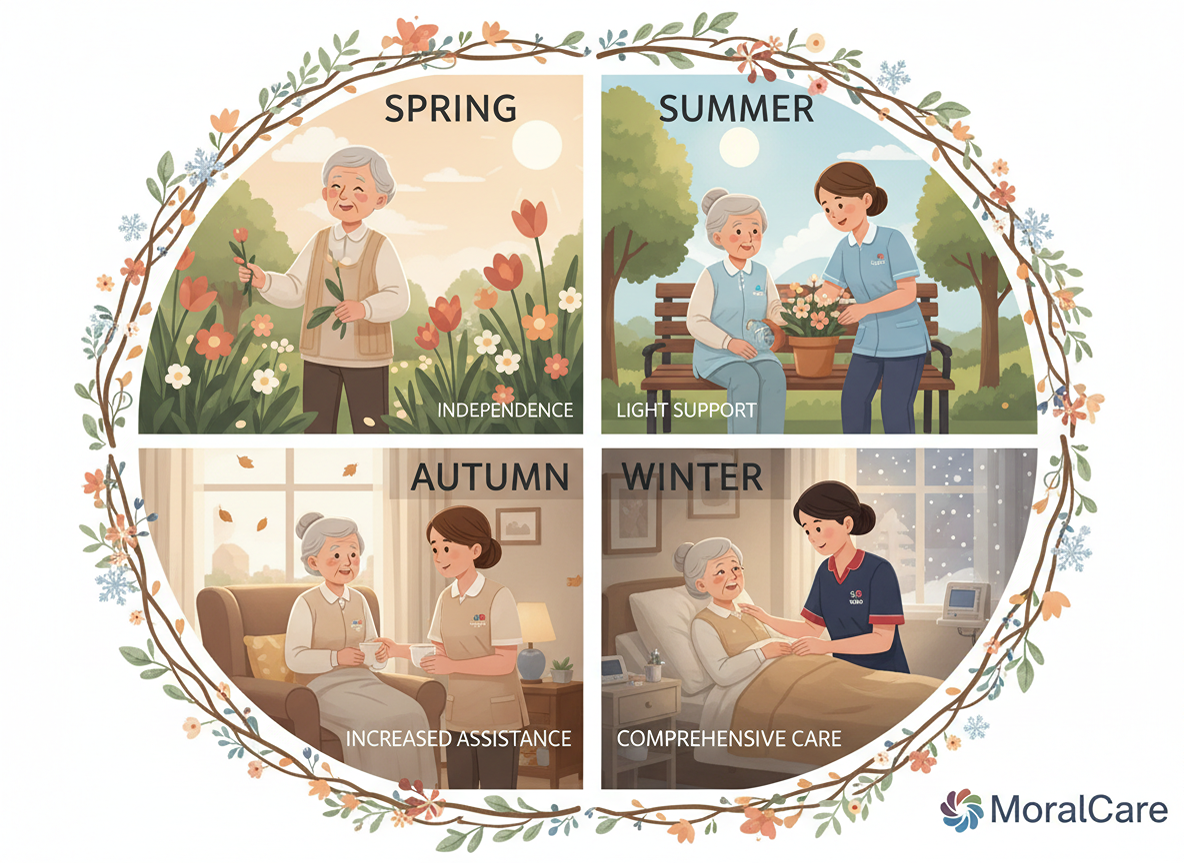
Care needs rarely emerge suddenly. More often, they develop gradually over months and years, requiring families to navigate changing levels of support. Understanding this journey—and knowing when to adjust care—helps families make proactive decisions rather than reactive ones during crises.The...
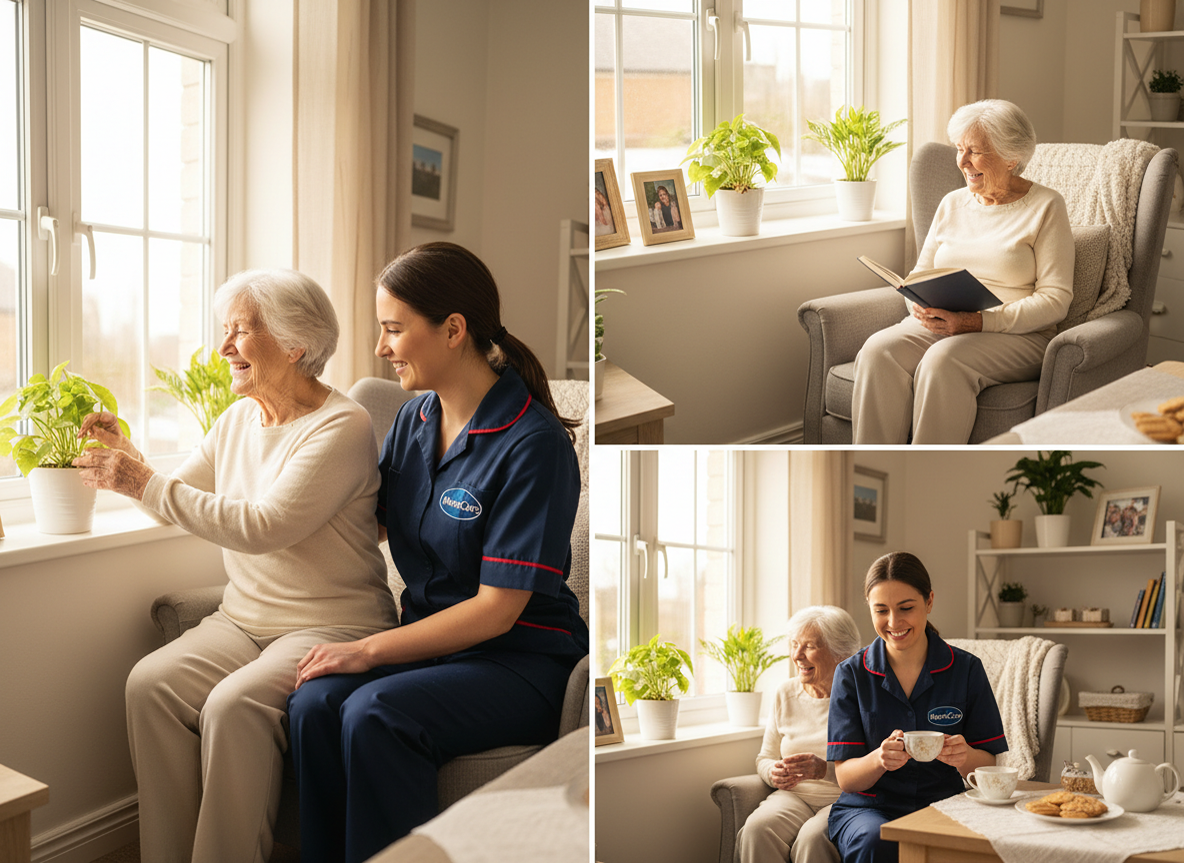
Life after retirement, especially in later years, can feel unstructured and purposeless without the framework that work once provided. Yet these years offer incredible opportunities for joy, connection, and meaning when approached intentionally. Here's how to create fulfilling daily routines—and...
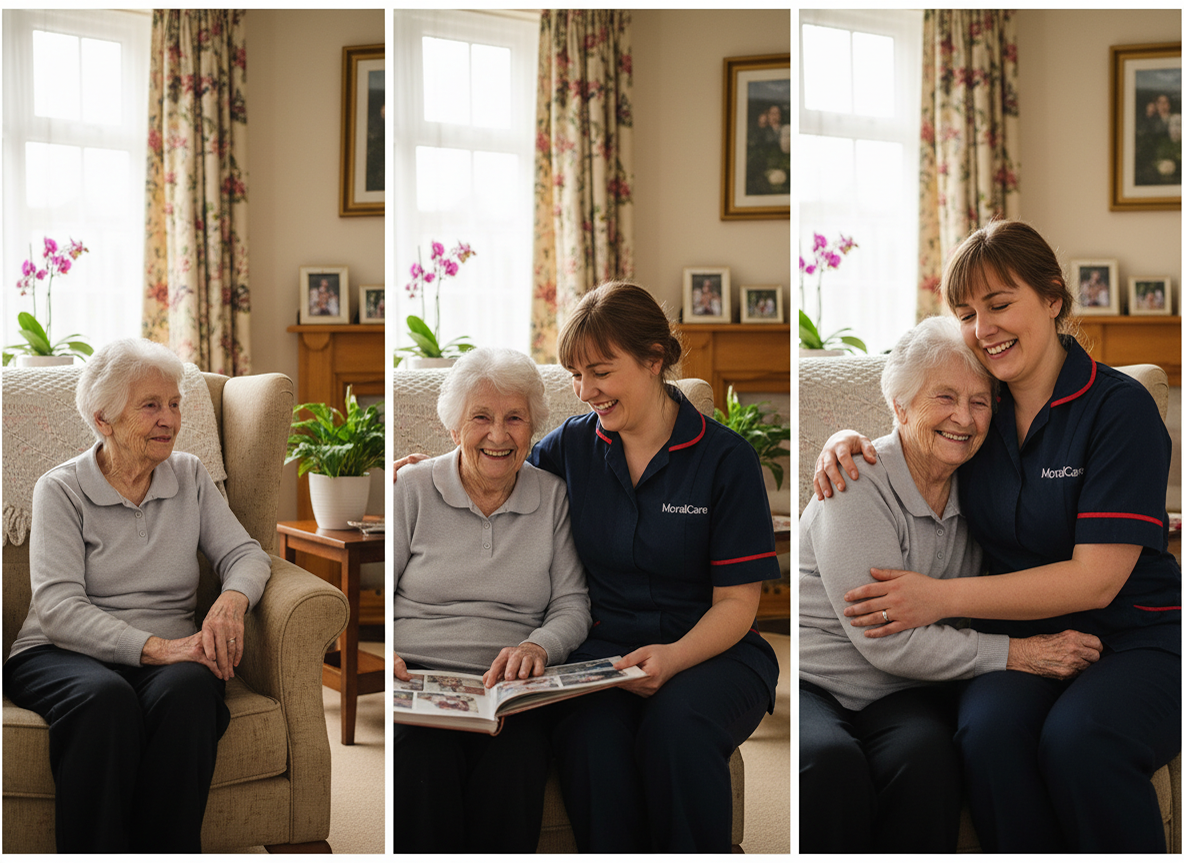
At Moral Care, most of our relationships with service users are long-term, often lasting years. This continuity isn't just convenient; it profoundly impacts the quality of care and quality of life. Here's why long-term care relationships matter so much.Building Trust Over TimeTrust doesn't happen...