
Supporting Our NHS: How MoralCare is Responding to Royal Lancaster Infirmary Pressures
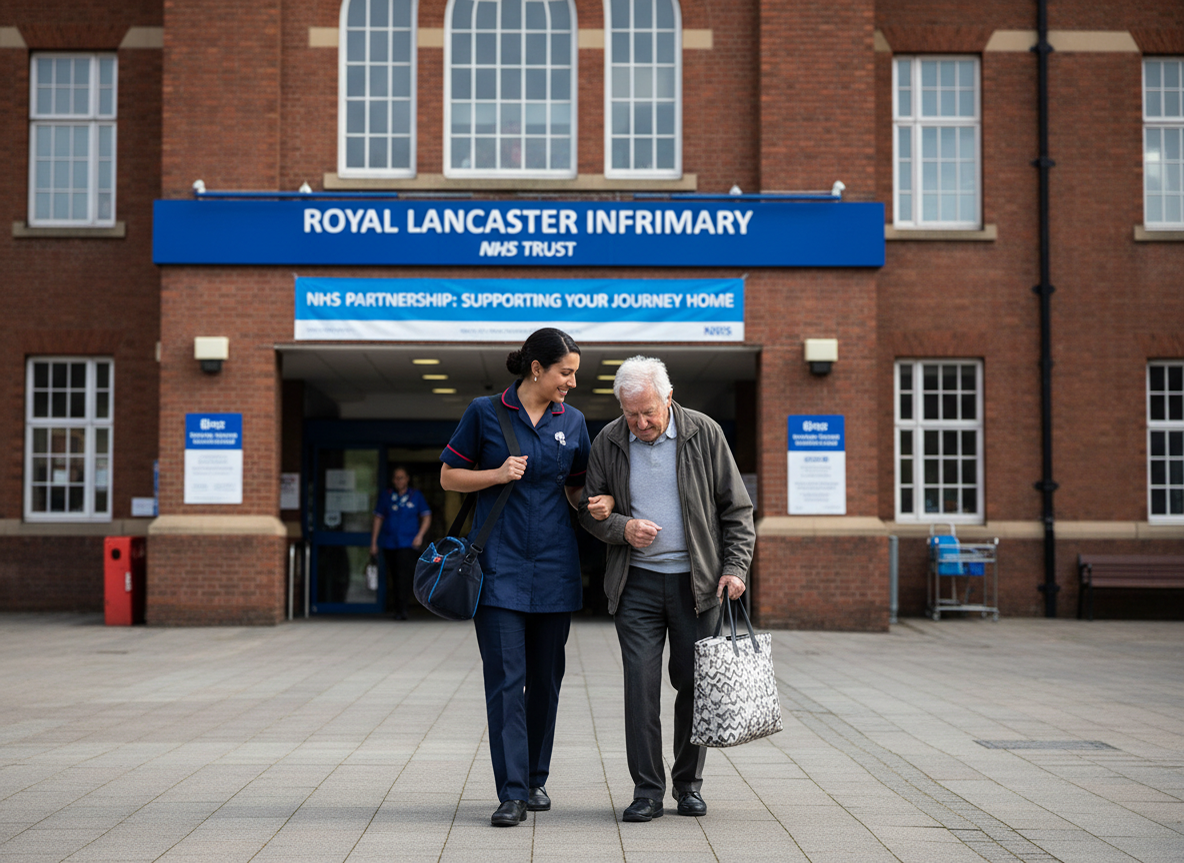
The Royal Lancaster Infirmary is currently operating at OPEL 4 - the highest level of internal escalation. This means our local hospital is under unprecedented pressure, with staff working tirelessly to manage severe demand and maintain patient safety. As a community-focused care provider, we want to share what this means for local families and how MoralCare is stepping up to support both patients and the NHS during this critical time.
Understanding OPEL 4: What It Means
OPEL 4 is declared only as a last resort when a hospital has exhausted all other escalation measures. It signals that the hospital is unable to deliver comprehensive care at normal capacity, and patient safety is at increased risk. The RLI is facing this challenge due to continued high demand, particularly in the Emergency Department, combined with high patient acuity.
As of early November 2025, patients attending A&E are experiencing longer waits - currently estimated at around 54 minutes, though this fluctuates based on demand. Critical cases remain prioritised, but the strain on staff and resources is very real.
Why Is This Happening?
The pressure isn't unique to the RLI. Across the NHS, winter months bring increased demand for emergency services. Older adults and vulnerable people are particularly affected by seasonal illnesses, falls, and complications from existing conditions. Hospital beds are occupied longer as patients wait for community care support to enable safe discharge. Without adequate discharge planning and post-hospital care, patients remain in acute beds - beds that are desperately needed for emergency admissions.
How Families Can Help Ease the Pressure
The NHS is asking the public to use A&E wisely. This isn't about avoiding necessary care - it's about directing resources where they're needed most.
Use alternatives to A&E:
Contact your GP for non-emergency health concerns
Speak to a pharmacist about minor illnesses
Call NHS 111 online or by phone for advice about symptoms you're unsure about
Attend planned appointments unless told otherwise
Plan ahead for winter:
Ensure your loved one's GP is aware of any health concerns before they become emergencies
Keep medications well-stocked and organised
Arrange support at home to prevent falls and complications
Support safe discharge:
If your loved one is in hospital, work with the discharge team to arrange home care quickly
Understand their care needs post-discharge and arrange appropriate support
How MoralCare Is Supporting the NHS
We're committed to playing our part in easing hospital pressure during this challenging period.
Rapid discharge support: We're prioritising care arrangements for patients being discharged from the RLI, ensuring they receive seamless support at home and reducing the risk of readmission.
Preventing unnecessary admissions: Through our reablement services, medication management, and comprehensive home care, we help older adults maintain independence and avoid hospital visits where possible.
Specialist care at home: Our dementia-trained staff, end-of-life care expertise, and experience with complex needs like PEG tubes and catheter care mean patients can receive high-quality care in the comfort of their own homes.
Supporting family carers: Respite care and companionship services give family carers essential breaks, reducing carer burnout and enabling families to provide better support to their loved ones.
What You Can Do If Your Loved One Needs Care
If you're concerned about a family member's health or independence, don't wait for a crisis. Early intervention and appropriate home care support can prevent hospital admissions and complications.
Contact your GP to discuss:
Whether your loved one would benefit from home care support
Reablement services to rebuild independence after illness or falls
Medication management support
Respite care if you're a family carer
If your loved one is being discharged from hospital, work with the discharge team to arrange care quickly. The sooner appropriate support is in place, the better the outcome.
A Message of Gratitude
To the staff at the Royal Lancaster Infirmary and across the NHS - thank you. You're working under extraordinary pressure to keep our community safe. We see your dedication, and we're committed to supporting you by ensuring patients receive excellent care at home, reducing unnecessary hospital admissions, and enabling safe, timely discharges.
Supporting Each Other Through Winter
Winter is challenging for the NHS, but it doesn't have to be a crisis for families. With planning, early intervention, and access to quality home care support, older adults can stay healthy, independent, and safe at home.
If you'd like to discuss how MoralCare can support your loved one this winter, we're here to help. Contact us on 01524 874110 or visit www.moralcare.co.uk. We're proud to be part of the community response to supporting our NHS during this critical time.
MoralCare is contracted with NHS Lancashire & South Cumbria ICB for palliative and complex care. We work closely with the Royal Lancaster Infirmary and local healthcare partners to ensure seamless, high-quality care for patients in our community.
Comments