
The Benefits of Long-Term Care Relationships
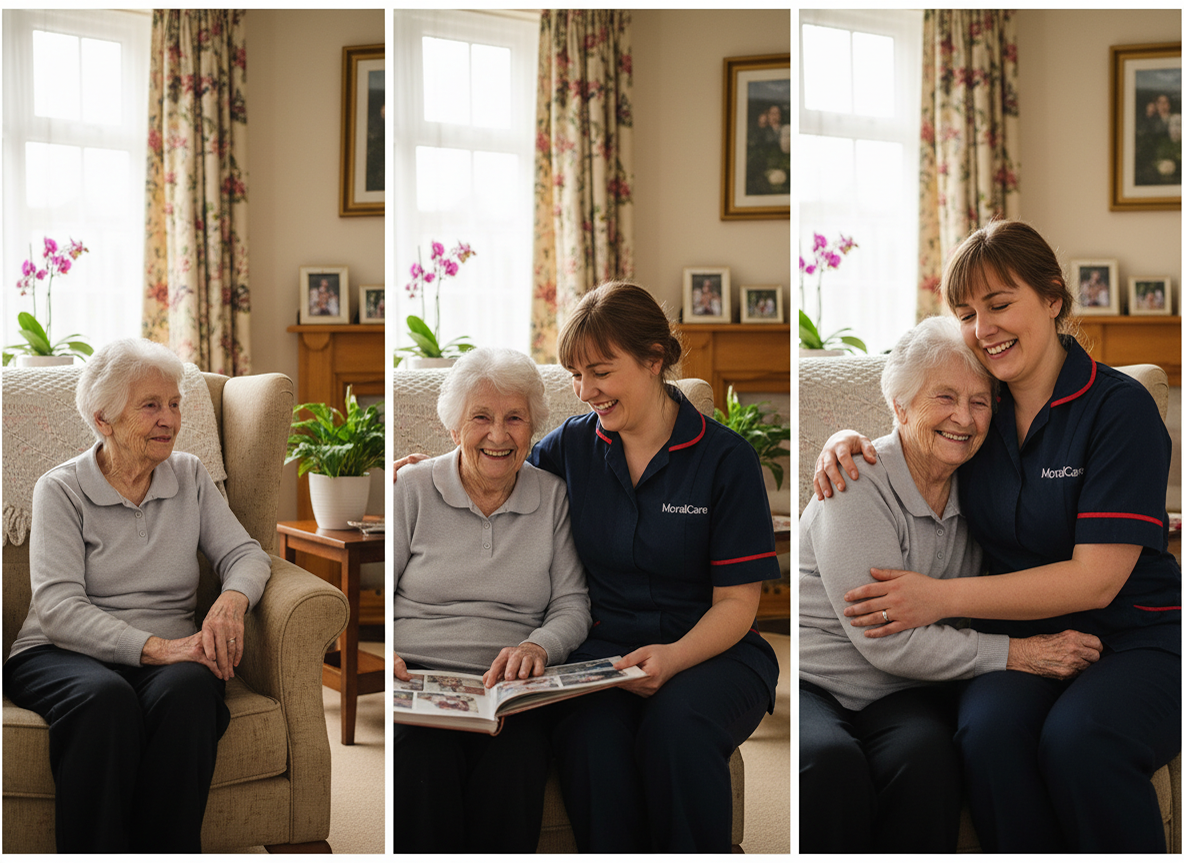
At Moral Care, most of our relationships with service users are long-term, often lasting years. This continuity isn't just convenient; it profoundly impacts the quality of care and quality of life. Here's why long-term care relationships matter so much.
Building Trust Over Time
Trust doesn't happen instantly, especially when care involves intimate personal tasks like bathing, dressing, and toileting. Over time, service users become comfortable with their carers, making personal care less awkward and more dignified.
This trust allows for open communication about needs, concerns, and preferences. Service users feel safe expressing when something isn't working or when they need additional support. They're not performing for strangers; they're being themselves with trusted friends.
Trust also means accepting help more readily. Many older adults resist assistance from strangers but accept it from familiar carers they've come to trust. This cooperation makes care more effective and less stressful for everyone. 🤝
Deep Understanding That Makes All the Difference
Long-term carers learn subtle details that make enormous differences to daily care and quality of life.
They notice when something seems "off" before it becomes a crisis—subtle changes in mood, appetite, mobility, or cognition that signal emerging problems. Early recognition often prevents hospitalizations and serious complications.
They understand communication patterns, especially important for those with speech difficulties, hearing loss, or cognitive impairment. They know what certain expressions mean, how to interpret non-verbal cues, and how to communicate effectively with each individual.
They know preferences about everything—how someone likes their tea, which chair they prefer, what television programs they enjoy, topics that spark engagement, and approaches that work when cooperation is challenging.
This deep knowledge can't be documented in care plans. It develops through hundreds of interactions over months and years, creating understanding that dramatically improves care quality. 💙
Genuine Relationships That Enrich Lives
When the same carers visit regularly over extended periods, relationships evolve from professional services into genuine friendships.
Shared History: Long-term relationships create shared history. Carers and service users remember funny incidents together, celebrate milestones, and develop inside jokes. They've weathered challenges together and celebrated good days. This shared history deepens connection and provides comfort.
Mutual Affection: While maintaining professional boundaries, genuine affection develops. Our carers truly care about the people they support, worrying when they're unwell and celebrating their good days. Service users reciprocate, asking about carers' families and expressing appreciation.
Looking Forward to Visits: When real relationships exist, visits become highlights rather than just services. Service users look forward to seeing their carers, preparing topics to discuss or activities to share. This anticipation provides structure and something positive to look forward to.
Becoming Part of the Family: Long-term carers often become like extended family members. They attend birthday celebrations, bring small gifts at Christmas, and are genuinely missed when on holiday. These relationships provide emotional richness that goes far beyond task completion. ❤️
Consistency Reduces Anxiety
Consistency is particularly important for those with dementia or cognitive impairment, who find new people and changing routines especially distressing.
Familiar carers reduce confusion and anxiety. Even when memory is significantly impaired, people often recognize familiar faces and feel comforted by their presence. The emotional memory of "this person is safe and kind" often remains even when names and details are forgotten.
Consistent routines with familiar carers provide security. Knowing what to expect reduces anxiety and often improves cooperation with care tasks that might otherwise be resisted.
For those with dementia, frequent carer changes can cause significant distress, increased confusion, and behavioral challenges. Continuity of care isn't just nice; it's essential for wellbeing. 🧠
Better Health Outcomes
Long-term care relationships contribute to better health outcomes in measurable ways.
Early Problem Detection: Carers who know someone well notice subtle changes immediately. They recognize when someone seems more confused than usual, is moving differently, or isn't eating normally. This early detection allows prompt medical intervention, often preventing serious complications.
Improved Medication Adherence: Trusted carers who understand why medications matter and explain them clearly improve adherence. The relationship itself motivates cooperation—people are more likely to take medications when someone they trust encourages them.
Reduced Hospitalizations: Studies show that consistent care relationships reduce emergency department visits and hospitalizations. Early problem detection, better chronic disease management, and improved overall wellbeing all contribute to this outcome.
Mental Health Benefits: The companionship and emotional connection of long-term care relationships combat depression and loneliness, which significantly impact physical health. Social connection is medicine, and long-term relationships provide this consistently. 💚
Efficiency and Personalization
Long-term carers work more efficiently because they know routines, preferences, and where everything is kept. They don't need to ask repeatedly where supplies are or how someone prefers things done. This efficiency means more time for meaningful interaction rather than figuring out logistics.
They also personalize care naturally. They know that Tuesday is the day for changing bed linens, that Wednesday morning is best for bathing, and that Friday afternoon is perfect for baking together. They adapt to individual rhythms rather than imposing rigid schedules.
They remember what worked last time a challenge arose and apply that knowledge proactively. This accumulated wisdom makes care increasingly effective over time. ⏰
Family Peace of Mind
Families experience enormous peace of mind knowing their loved one has consistent, trusted carers.
They build relationships with carers too, getting to know them over time and trusting them increasingly. They can go on holiday or focus on work knowing their loved one is in familiar, capable hands.
Communication becomes more meaningful. Long-term carers notice and report subtle changes families might miss during brief visits. They provide context and history that helps families understand their loved one's current situation.
Families often describe long-term carers as partners in care—trusted team members working toward shared goals of safety, comfort, and quality of life. 👨👩👧👦
Supporting Life Transitions
Long-term care relationships provide stability during life's inevitable transitions and challenges.
When health declines, familiar carers provide comfort and continuity. When grief strikes after losing a spouse or friend, trusted carers offer emotional support. When moving house or adjusting to new limitations, consistent carers help navigate changes while maintaining connection to identity and routine.
These relationships provide an anchor of stability when everything else feels uncertain. That stability is invaluable for emotional wellbeing. ⚓
The Moral Care Commitment to Continuity
At Moral Care, we prioritize continuity because we've seen its transformative impact.
Careful Matching: We thoughtfully match carers with service users based on personalities, interests, and compatibility. We want relationships that feel natural and enjoyable from the start.
Supporting Our Staff: We support our carers well, with fair pay, reasonable schedules, ongoing training, and genuine appreciation. Happy, valued staff stay long-term, which benefits everyone.
Backup Plans: When regular carers are ill or on holiday, we introduce backup carers in advance whenever possible. We share detailed information so backup carers can provide consistent, personalized care.
Celebrating Relationships: We celebrate the genuine relationships that develop, recognizing them as central to care quality rather than just pleasant side effects.
Long-Term Perspective: We build care relationships with a long-term perspective, understanding that the best care develops over time through accumulated knowledge, deepening trust, and genuine connection.
Long-term care relationships aren't just about consistency; they're about genuine human connection that enriches lives, improves health, and brings meaning to both carers and those they support.
At Moral Care, we're honored to build these relationships, supporting individuals and families not just for weeks or months, but for years—becoming trusted partners in life's journey. 💙✨
Comments