
Winter Wellness for Older Adults
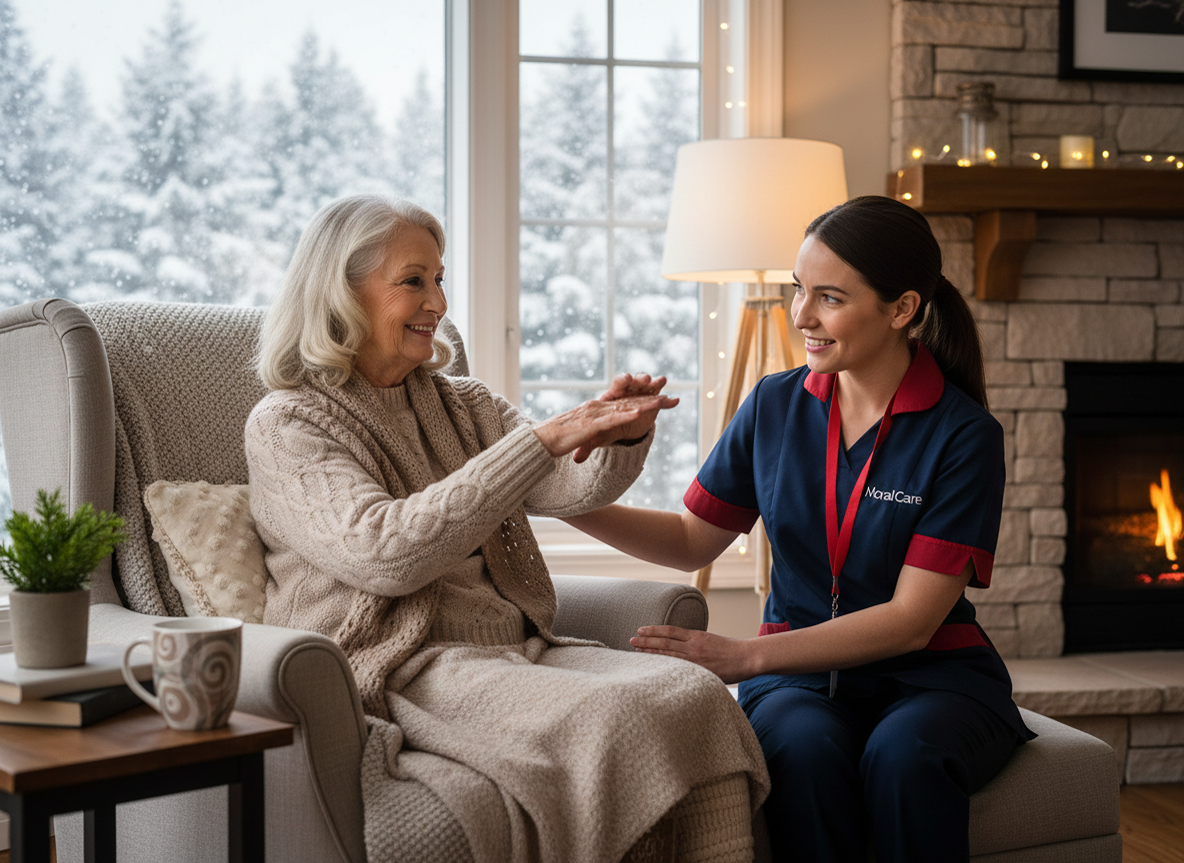
Winter presents unique health challenges for older adults. Cold weather, reduced daylight, seasonal illnesses, and changes in activity levels can impact physical health, mental wellbeing, and independence. Understanding these challenges and implementing practical strategies helps older people maintain wellness, stay active, and enjoy the winter season safely.
WHY WINTER IS PARTICULARLY CHALLENGING FOR OLDER ADULTS
Older adults are more vulnerable to winter-related health issues. Cold temperatures increase the risk of hypothermia and cold-related illnesses, whilst reduced daylight contributes to seasonal affective disorder and depression. Winter also brings increased incidence of flu, colds, and other infections, and reduced outdoor activity can lead to deconditioning and muscle weakness.
Additionally, winter weather creates hazards like icy pavements and snow, increasing fall risk. Understanding these challenges allows for proactive prevention and support.
MAINTAINING BODY TEMPERATURE AND PREVENTING HYPOTHERMIA
Older adults lose heat more quickly and may not recognise when they're becoming dangerously cold. Hypothermia—when core body temperature drops below 35°C—is life-threatening and requires immediate medical attention.
Preventing hypothermia:
Maintain indoor temperature between 18–21°C (ideal for health)
Wear layers of warm clothing, including a warm hat and gloves when outdoors
Use blankets, hot water bottles (with covers), and heated throws indoors
Close curtains at night to retain heat
Ensure adequate heating throughout the home
Avoid prolonged exposure to cold
Eat regular, warm meals to maintain energy and body heat
Stay hydrated; warm drinks support body temperature regulation
Service heating systems before winter to ensure efficiency
Have emergency heating options (e.g., portable heaters) as backup
Signs of hypothermia include shivering, confusion, slurred speech, drowsiness, and weak pulse. If suspected, seek emergency medical help immediately.
PROTECTING AGAINST SEASONAL ILLNESSES
Winter brings increased risk of flu, colds, and other respiratory infections. Older adults are at higher risk of serious complications.
Illness prevention strategies:
Receive annual flu vaccination (especially important for older adults)
Maintain good hand hygiene; wash hands regularly and thoroughly
Avoid close contact with people who are unwell
Maintain adequate nutrition and hydration to support immune function
Get sufficient sleep to support immune health
Stay active to maintain fitness and immunity
Manage stress, which weakens immune response
Ensure home is well-ventilated to reduce infection transmission
Avoid touching face, especially after contact with others
Clean frequently touched surfaces regularly
If illness develops, seek medical advice promptly and follow healthcare provider recommendations.
COMBATING SEASONAL AFFECTIVE DISORDER AND WINTER DEPRESSION
Reduced daylight during winter can trigger seasonal affective disorder (SAD) and depression, particularly in older adults who spend more time indoors.
Supporting mental health:
Maximise natural daylight; open curtains during the day
Spend time outdoors during daylight hours, even on cloudy days
Use light therapy lamps designed for SAD (10,000 lux for 20-30 minutes daily)
Maintain social connections; isolation worsens mood
Engage in enjoyable activities and hobbies
Maintain regular physical activity, which boosts mood
Eat a balanced diet; nutritional deficiencies affect mood
Maintain regular sleep schedules
Seek professional support if depression develops
Consider counselling or talking therapies
MAINTAINING PHYSICAL ACTIVITY DURING WINTER
Reduced outdoor activity during winter can lead to deconditioning, muscle weakness, and increased fall risk. Maintaining activity indoors and outdoors supports health and independence.
Winter activity ideas:
Indoor walking (around the home or shopping centres)
Gentle exercise videos or classes designed for older adults
Tai chi or yoga for balance and flexibility
Dancing to favourite music
Gardening activities (indoor plants, planning for spring)
Household tasks (cleaning, tidying) as physical activity
Swimming or water aerobics (if available)
Stretching and flexibility exercises
Resistance exercises using household items
Outdoor activities on dry, non-icy days (with appropriate footwear)
Regular activity maintains muscle strength, bone density, balance, and mental health.
MANAGING WINTER FALLS AND SLIPS
Icy pavements, snow, and wet floors increase fall risk during winter. Falls can cause serious injuries and loss of independence.
Fall prevention strategies:
Wear appropriate footwear with good grip and support
Use walking aids (walking stick, walker) on icy or slippery surfaces
Clear pathways of snow and ice, or avoid them
Use salt or grit on icy areas
Ensure adequate lighting, especially on stairs and pathways
Install handrails on stairs and in bathrooms
Remove trip hazards (loose rugs, clutter)
Maintain good balance through regular exercise
Ensure adequate hydration and nutrition
Have vision checked regularly
Review medications that may increase fall risk
Use non-slip mats in bathrooms and on slippery floors
MAINTAINING NUTRITION AND HYDRATION
Winter can disrupt eating and drinking routines, leading to malnutrition and dehydration. Cold weather may reduce appetite, and reduced activity can lower energy needs.
Nutrition and hydration support:
Maintain regular meal times despite seasonal changes
Prepare warm, nourishing meals that are appealing and easy to prepare
Include plenty of vegetables, fruits, and protein
Offer warm drinks regularly (tea, soup, warm milk)
Ensure adequate fluid intake (6-8 glasses daily)
Monitor for signs of dehydration (dark urine, dizziness, confusion)
Use meal delivery services if cooking becomes difficult
Involve family in meal preparation and sharing
Maintain adequate vitamin D intake (through food or supplements, as sunlight exposure is limited)
Consider nutritional supplements if appetite is reduced
MANAGING WINTER SKIN AND FOOT CARE
Cold, dry winter weather can damage skin and feet, causing discomfort and increasing infection risk.
Skin and foot care:
Use moisturiser regularly to prevent dry skin
Keep feet clean and dry; check for cracks or sores
Trim toenails carefully; seek professional help if difficult
Wear warm, dry socks and well-fitting shoes
Inspect feet daily for signs of damage or infection
Avoid prolonged exposure to cold, which can damage skin
Use lip balm to prevent chapped lips
Stay hydrated to support skin health
Seek professional help for corns, calluses, or foot problems
Consider professional foot care services
SUPPORTING INDEPENDENCE AND WELLBEING
Winter challenges can threaten independence if not managed proactively. Supporting independence maintains dignity and quality of life.
Independence support:
Adapt the home to reduce winter hazards
Arrange support services (shopping, cleaning) if needed
Maintain social connections through visits, calls, or video contact
Support engagement in meaningful activities
Encourage independence in self-care and daily activities
Provide practical support with winter tasks (snow clearing, heating maintenance)
Monitor for signs of depression or isolation
Celebrate achievements and positive coping strategies
CREATING A SAFE, HEALTHY WINTER
By implementing these strategies, older adults can maintain health, independence, and wellbeing throughout the winter season. Winter wellness requires planning, consistent support, and attention to physical and mental health, but it enables older people to enjoy a safe, connected, and fulfilling winter.
Comments