
Accessible Christmas Activities for People with Mobility Issues
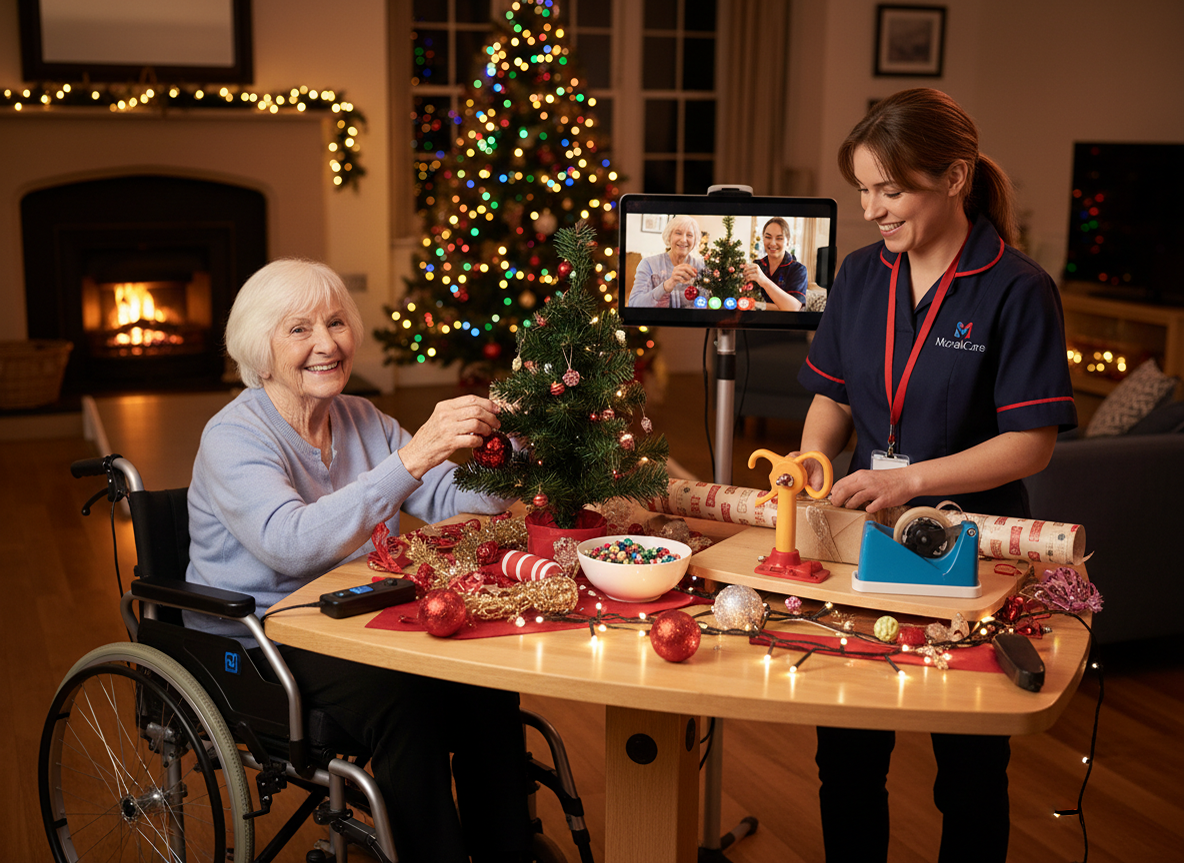
Christmas is a time for celebration, connection, and joy, but for people with mobility limitations, participating in traditional festive activities can feel challenging or impossible. With thoughtful adaptations and creative alternatives, older adults with mobility issues can fully participate in Christmas celebrations, enjoying meaningful activities that bring pleasure and connection without physical strain.
WHY ACCESSIBILITY MATTERS AT CHRISTMAS
Mobility limitations—whether from arthritis, stroke, Parkinson's disease, or other conditions—can exclude people from festive celebrations. Traditional Christmas activities often assume full mobility: standing to decorate, travelling to gatherings, or participating in active celebrations. Without accessible alternatives, people with mobility issues may feel isolated, left out, or burdensome during what should be a joyful season.
Accessible Christmas activities enable full participation, maintain dignity, and ensure that everyone can enjoy the festive season meaningfully.
ACCESSIBLE DECORATING AND FESTIVE PREPARATION
Decorating is a cherished Christmas tradition. Adaptations allow people with mobility issues to participate fully.
Accessible decorating ideas:
Decorate at table height rather than requiring standing or reaching
Use lightweight decorations that don't require significant hand strength
Sit whilst decorating; bring decorations to the person rather than requiring them to move
Use adaptive tools: long-handled grabbers for reaching, lightweight scissors, pre-cut decorations
Involve the person in decision-making about where decorations go
Decorate a small, accessible area (bedside table, window sill) rather than the whole home
Use pre-made garlands or decorations rather than requiring assembly
Create paper chains, paper snowflakes, or simple crafts seated at a table
Hang decorations at eye level so they can be enjoyed from a seated position
Play Christmas music whilst decorating to create festive atmosphere
ACCESSIBLE GIFT WRAPPING AND PREPARATION
Gift wrapping can be adapted to enable participation despite mobility limitations.
Accessible wrapping strategies:
Sit at a table with all materials within easy reach
Use pre-wrapped gifts or gift bags rather than wrapping paper
Use adaptive tools: tape dispensers, scissors with easy-grip handles, pre-cut paper
Wrap gifts together with a carer or family member, sharing the task
Decorate pre-wrapped gifts with stickers, bows, or ribbons (easier than wrapping)
Create gift tags or cards instead of wrapping
Use fabric scraps or newspaper for creative, easy wrapping
Focus on the joy of giving rather than perfect presentation
Involve the person in choosing gifts for others, even if they can't wrap them
ACCESSIBLE ENTERTAINMENT AND ACTIVITIES
Christmas entertainment can be adapted to suit mobility limitations whilst maintaining enjoyment and engagement.
Accessible entertainment:
Watch Christmas films or programmes from a comfortable, supported position
Listen to Christmas music or audiobooks
Play simple games (cards, dominoes, board games) at a table
Do seated crafts or colouring activities
Look at old family photographs and reminisce
Have conversations and storytelling with family
Participate in virtual celebrations or video calls with distant family
Enjoy Christmas baking or cooking with support (seated, with adapted tools)
Listen to Christmas readings or poetry
Enjoy gentle music or carol singing
ACCESSIBLE DINING AND FESTIVE MEALS
Sharing meals is central to Christmas. Adaptations ensure people with mobility issues can participate fully.
Accessible dining strategies:
Serve meals at a table or on a lap tray at comfortable height
Use adaptive cutlery, plates, or cups if hand strength or dexterity is limited
Prepare soft or finger foods if chewing or swallowing is difficult
Serve smaller portions to reduce fatigue
Allow extra time for eating without rushing
Provide support with eating if needed (without making the person feel dependent)
Adapt the menu to include favourite foods that are easy to manage
Ensure the dining area is accessible and comfortable
Include the person in meal planning and food choices
Make mealtimes social and enjoyable, not just functional
ACCESSIBLE VISITING AND FAMILY GATHERINGS
Family visits are important during Christmas. Adaptations enable participation without physical strain.
Accessible visit strategies:
Hold gatherings in accessible locations (ground floor, accessible parking, accessible toilets)
Arrange seating that provides comfort and support
Limit visit duration to prevent fatigue
Arrange visits at times when the person has most energy
Provide quiet spaces for rest if needed
Ensure adequate heating and comfort
Arrange transport if travel is difficult
Facilitate one-on-one interactions rather than overwhelming group gatherings
Involve family members in understanding the person's needs and limitations
Focus on connection rather than activity level
ACCESSIBLE OUTDOOR ACTIVITIES
Some people with mobility issues can participate in outdoor Christmas activities with adaptations.
Accessible outdoor ideas:
View neighbourhood Christmas decorations from a car or wheelchair
Enjoy outdoor Christmas lights from an accessible location
Take gentle, short walks on flat, accessible paths
Use mobility aids (walker, wheelchair, mobility scooter) to enable participation
Arrange accessible transport to Christmas markets or displays
Enjoy outdoor activities during warmer parts of the day
Ensure adequate rest and comfort
Have a companion for safety and support
Dress warmly and ensure comfort
Plan activities around energy levels and medical appointments
ACCESSIBLE SHOPPING AND GIFT SELECTION
Shopping for Christmas gifts can be adapted to enable participation.
Accessible shopping strategies:
Use online shopping to browse and select gifts from home
Shop during quieter times to reduce crowds and overwhelm
Use mobility aids (wheelchair, walker) to enable participation
Take frequent rest breaks
Shop with a companion who can help carry items and provide support
Use accessible parking and entrances
Visit shops with accessible facilities (lifts, accessible toilets, seating)
Order gifts for delivery rather than carrying them
Involve the person in gift selection even if they can't physically shop
Focus on meaningful gifts rather than quantity
ACCESSIBLE TECHNOLOGY AND VIRTUAL PARTICIPATION
Technology enables participation in Christmas celebrations for those unable to attend in person.
Virtual participation options:
Video calls with family and friends during celebrations
Virtual Christmas services or carol singing
Online Christmas games or activities with family
Sharing photos and messages with distant loved ones
Watching live-streamed Christmas events
Participating in online communities or celebrations
Receiving video messages from family members
Enjoying virtual tours of Christmas displays or markets
Connecting with support groups or communities
ADAPTIVE EQUIPMENT AND ACCESSIBILITY AIDS
Various aids and equipment enable participation in Christmas activities.
Useful adaptive equipment:
Mobility aids: walking stick, walker, wheelchair, mobility scooter
Adaptive cutlery, plates, cups with easy-grip handles
Reaching aids or grabbers for accessing items
Cushions or supports for comfortable seating
Lap trays for activities or meals
Easy-grip scissors, pens, or craft tools
Lightweight decorations
Non-slip mats for safety
Handrails or grab bars for support
Heating pads or blankets for comfort
PLANNING ACCESSIBLE CHRISTMAS CELEBRATIONS
Thoughtful planning ensures that people with mobility issues can participate fully and enjoyably in Christmas celebrations.
Planning steps:
Discuss preferences and limitations with the person
Identify activities they most want to participate in
Adapt activities to suit their abilities
Arrange necessary equipment or support
Communicate plans with family members
Build in rest time and comfort measures
Focus on meaningful connection rather than activity level
Celebrate achievements and moments of joy
Remain flexible and adjust plans as needed
CREATING INCLUSIVE CHRISTMAS CELEBRATIONS
By implementing accessible adaptations, people with mobility issues can participate fully in Christmas celebrations, enjoying meaningful activities, connection with loved ones, and the joy and spirit of the festive season.
Accessible Christmas is inclusive Christmas, enabling everyone to celebrate together.
Comments