
Supporting Bereaved Older People at Christmas
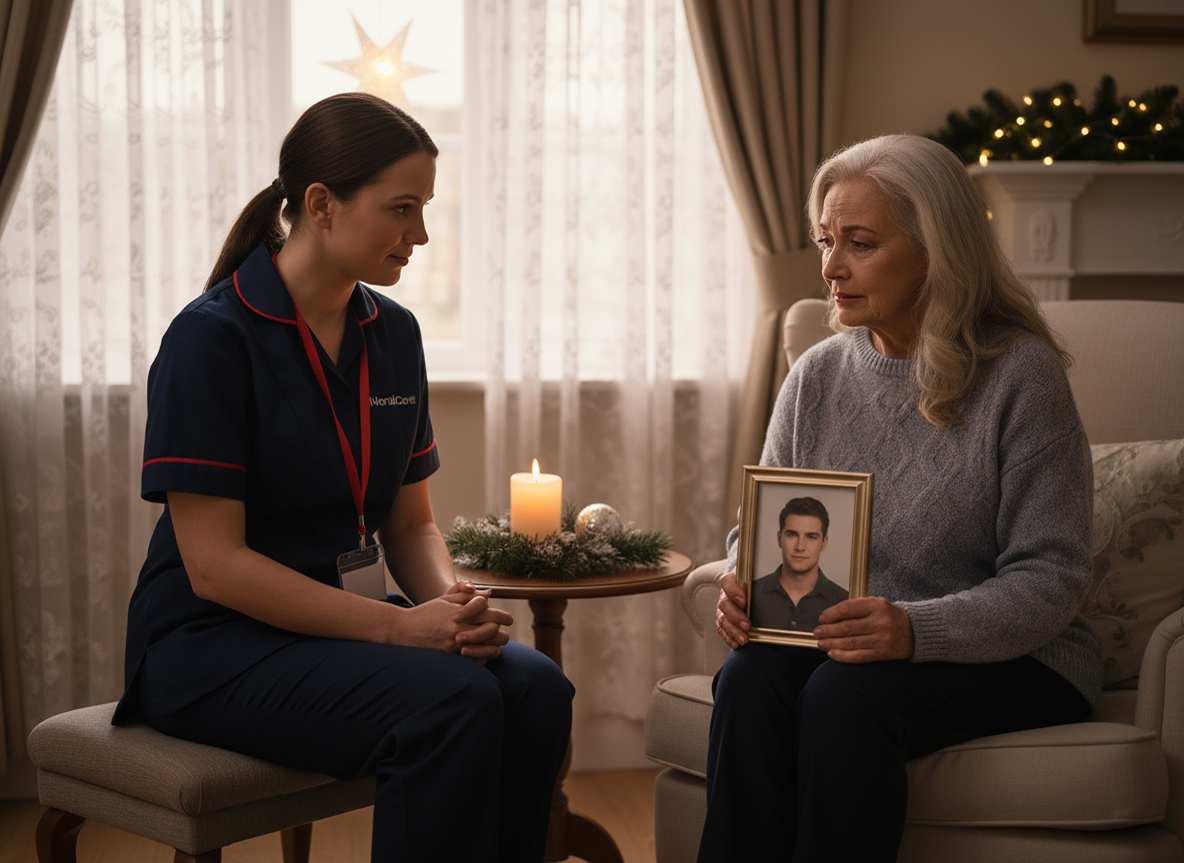
Christmas is traditionally a time of celebration and family togetherness, yet for bereaved older adults, the festive season can intensify grief and loneliness. The loss of a spouse, family member, or close friend is profound at any time, but Christmas - with its emphasis on family gatherings and shared traditions - can make absence particularly painful. Understanding grief during Christmas and providing compassionate support helps bereaved older people navigate the season with dignity and care.
WHY CHRISTMAS IS PARTICULARLY DIFFICULT FOR BEREAVED OLDER PEOPLE
Bereavement is a profound life experience, and Christmas can intensify grief. The festive season is often built around traditions shared with the deceased: decorating together, preparing favourite meals, gathering as a family. Without that person, Christmas feels incomplete and painful.
Additionally, Christmas media and social narratives emphasise family togetherness and celebration, which can make bereaved individuals feel isolated and excluded. The season can trigger memories, intensify loneliness, and bring waves of grief. Understanding these challenges allows for compassionate, supportive responses.
RECOGNISING GRIEF AND COMPLICATED BEREAVEMENT
Grief is a natural response to loss, but it manifests differently in different people. Recognising signs of complicated grief or depression allows for timely support.
Signs of grief to watch for:
Sadness, tearfulness, or emotional overwhelm
Withdrawal from social activities or relationships
Loss of interest in activities previously enjoyed
Changes in appetite or sleep patterns
Fatigue or lack of energy
Difficulty concentrating or making decisions
Feelings of hopelessness or worthlessness
Anger or irritability
Intense longing for the deceased
Difficulty accepting the death
Complicated grief—when grief is intense and persistent beyond 12 months—may require professional support. Signs include inability to function, suicidal thoughts, or severe isolation.
VALIDATING GRIEF AND ACKNOWLEDGING LOSS
The most important support for bereaved people is validation and acknowledgement of their loss. Dismissing grief or encouraging people to "move on" can increase pain and isolation.
Validating grief:
Acknowledge the person's loss and the significance of their relationship with the deceased
Use the deceased person's name; this honours their memory
Listen without judgment when the person wants to talk about their grief
Avoid clichés like "they're in a better place" or "at least they lived a long life"
Recognise that grief doesn't follow a timeline; there's no "right" way to grieve
Validate that Christmas is harder without the deceased
Acknowledge that grief may intensify during the festive season
Allow the person to express grief in their own way
Respect their choices about how to spend Christmas
Celebrate the deceased person's life and the joy they brought
MAINTAINING MEANINGFUL TRADITIONS OR CREATING NEW ONES
Traditions are central to Christmas, but for bereaved people, traditional celebrations may feel painful. Supporting choices about traditions - whether to continue, modify, or create new ones—respects their grief.
Tradition options:
Continue meaningful traditions that honour the deceased's memory
Modify traditions to acknowledge the person's absence (e.g., setting a place at the table, lighting a candle in their memory)
Create new traditions that feel right for the changed family structure
Involve the person in deciding how to spend Christmas
Suggest activities that feel manageable and meaningful
Avoid forcing participation in celebrations that feel painful
Allow quiet, reflective time if preferred
Create opportunities to remember and celebrate the deceased
Involve family members in honouring the deceased's memory
Respect the person's choices about Christmas celebrations
MANAGING TRIGGERS AND DIFFICULT MOMENTS
Certain sights, sounds, smells, and activities can trigger intense grief. Anticipating triggers and planning support helps manage difficult moments.
Managing triggers:
Identify activities or situations that are particularly difficult (e.g., decorating, family gatherings, certain songs)
Plan ahead for these moments; have support available
Offer alternatives or modifications to triggering activities
Create quiet spaces where the person can retreat if overwhelmed
Have tissues, water, and comfort items available
Sit with the person during difficult moments; don't leave them alone
Validate their feelings; don't try to "fix" their grief
Suggest grounding techniques (focusing on the present moment, breathing exercises)
Maintain regular contact and check-ins
Follow up after difficult days with additional support
FACILITATING FAMILY SUPPORT AND COMMUNICATION
Family members may struggle to support bereaved relatives during Christmas. Clear communication and guidance help families provide compassionate support.
Supporting families:
Explain how grief affects the bereaved person's behaviour and emotions
Suggest ways family members can support without being intrusive
Encourage family to listen without judgment
Suggest avoiding topics that increase pain (e.g., "at least you had them for so long")
Involve the bereaved person in family decisions about Christmas
Create opportunities for the bereaved person to participate at their own pace
Encourage family members to share memories and celebrate the deceased's life
Suggest practical support (cooking, cleaning, shopping) to reduce stress
Remind family that their presence and support matter
Facilitate one-on-one time rather than overwhelming group gatherings
PROFESSIONAL SUPPORT AND COUNSELLING
Some bereaved people benefit from professional support, particularly if grief is complicated or depression develops.
Professional support options:
Bereavement counselling or grief therapy
Support groups for bereaved older people
Cognitive behavioural therapy (CBT) for complicated grief
Medication for depression if appropriate
Spiritual or faith-based support if meaningful to the person
Crisis support lines if suicidal thoughts develop
GP support for health concerns related to grief
Community services and befriending programmes
Online support communities or forums
SELF-CARE AND EMOTIONAL WELLBEING
Supporting bereaved people requires emotional labour. Carers and family members must prioritise their own wellbeing.
Self-care reminders:
Supporting grief is emotionally demanding; it's okay to feel affected
Your presence and compassion matter, even if you can't "fix" their grief
Set boundaries; you cannot absorb someone else's grief
Seek support from friends, family, or professionals if needed
Maintain your own routines and self-care practices
Celebrate small moments of connection and peace
Remember that grief is a sign of love; it's a natural response to loss
Be patient with yourself and the bereaved person
CREATING SPACE FOR GRIEF AT CHRISTMAS
Christmas with bereavement looks different, but it can still hold meaning, connection, and moments of peace. The goal is to support the bereaved person in navigating the season in a way that honours their grief and the memory of the deceased.
By validating grief, respecting choices about traditions, anticipating triggers, facilitating family support, and providing access to professional help when needed, you help bereaved older people experience a Christmas that acknowledges their loss whilst honouring the life and love they shared with the deceased.
Comments