
Keeping Older People Hydrated and Nourished Over Christmas
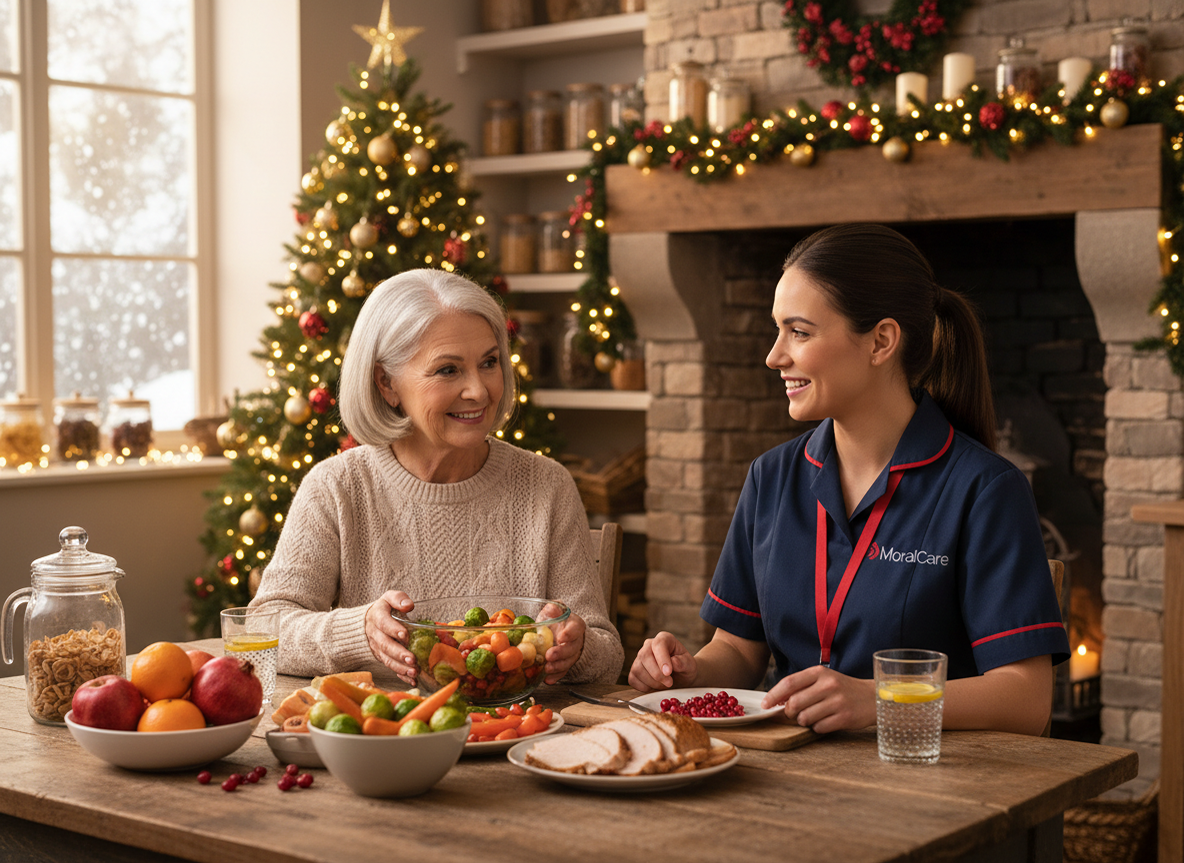
Christmas is a time of festive feasts and celebration, but for older adults, maintaining proper nutrition and hydration during the holiday season is crucial for health and wellbeing. The disruption to routines, rich foods, and reduced activity levels can lead to dehydration, constipation, and nutritional imbalances. This guide explores practical strategies to support healthy eating and drinking throughout Christmas.
WHY HYDRATION AND NUTRITION MATTER MORE AT CHRISTMAS
Older adults are naturally more vulnerable to dehydration and malnutrition. During Christmas, several factors increase this risk: changes in routine disrupt regular meal and drink times, festive foods are often rich and heavy, alcohol consumption increases dehydration, and reduced mobility during cold weather means less activity and lower thirst signals.
Additionally, medications can interact with rich foods or alcohol, and digestive systems may struggle with unfamiliar festive meals. Maintaining consistent nutrition and hydration supports immune function, medication effectiveness, and overall wellbeing during winter.
RECOGNISING SIGNS OF DEHYDRATION
Dehydration in older adults can develop quickly and is often overlooked. Early recognition allows for prompt intervention.
Signs to watch for:
Dry mouth or lips
Dark urine or reduced urination
Dizziness or lightheadedness
Confusion or difficulty concentrating
Headaches
Constipation
Lethargy or fatigue
Sunken eyes or skin that lacks elasticity
If dehydration is suspected, increase fluid intake gradually and contact a healthcare professional if symptoms persist.
MAINTAINING REGULAR FLUID INTAKE
The festive season can disrupt drinking routines. Older adults should aim for 6-8 glasses of fluid daily, even if they don't feel thirsty.
Strategies to encourage hydration:
Set regular drink times throughout the day (e.g., with breakfast, mid-morning, lunch, afternoon tea, dinner, before bed)
Offer a variety of fluids: water, herbal tea, warm milk, diluted fruit juice, broth, or soup
Use attractive cups or glasses to make drinking more appealing
Keep drinks within easy reach
Offer warm drinks in winter, which are often more appealing than cold water
Monitor urine colour as an indicator of hydration (pale yellow is ideal)
Remind the person to drink regularly, as thirst signals weaken with age
Avoid excessive caffeine or alcohol, which increase dehydration
ADAPTING FESTIVE MEALS FOR DIGESTIVE HEALTH
Christmas meals are often heavy and rich, which can cause digestive discomfort in older adults. Adapting meals maintains festive enjoyment whilst supporting digestive health.
Healthy adaptations:
Offer smaller portions of rich foods rather than large servings
Include plenty of vegetables and fibre-rich foods to aid digestion
Serve meals at regular times, maintaining familiar eating patterns
Prepare softer versions of festive foods if chewing or swallowing is difficult
Limit fatty, fried, or heavily spiced foods that may cause discomfort
Offer lean proteins (turkey, fish) rather than processed meats
Include whole grains and pulses for sustained energy and fibre
Prepare foods in advance to reduce stress and ensure nutritional balance
MANAGING CONSTIPATION DURING CHRISTMAS
Constipation is common during Christmas due to reduced activity, dietary changes, and dehydration. Prevention is easier than treatment.
Prevention strategies:
Maintain adequate fluid intake (at least 6-8 glasses daily)
Encourage regular physical activity, even gentle walks
Include fibre-rich foods: fruits, vegetables, whole grains, pulses
Maintain regular meal times to support digestive rhythm
Limit foods that constipate: cheese, white bread, processed foods
Encourage toilet routines at consistent times
Monitor bowel movements and report changes to healthcare providers
Avoid overusing laxatives; focus on natural prevention
If constipation occurs, increase fluids and fibre gradually, and contact a healthcare professional if it persists beyond a few days.
MEDICATION AND FOOD INTERACTIONS
Many medications interact with festive foods or alcohol. Understanding these interactions prevents complications.
Common interactions to avoid:
Alcohol with medications (increases side effects and reduces effectiveness)
Grapefruit juice with certain medications (affects absorption)
High-fibre foods taken immediately with medications (reduces absorption)
Rich, fatty foods with some medications (affects how the body processes them)
Caffeine with certain medications (increases side effects)
Encourage the person to:
Take medications as prescribed, without skipping doses
Inform healthcare providers about dietary changes
Avoid alcohol if taking medications that interact
Maintain consistent meal times around medication schedules
Keep a list of medications and potential food interactions
SUPPORTING THOSE WITH SWALLOWING DIFFICULTIES
Some older adults have difficulty swallowing (dysphagia), which festive foods can exacerbate. Adaptations ensure safe, enjoyable eating.
Adaptations for swallowing difficulties:
Offer soft, moist foods: soups, stews, mashed vegetables, soft fruits
Prepare foods in smaller, bite-sized pieces
Moisten foods with gravy, sauce, or custard
Avoid hard, crunchy, or sticky foods
Ensure adequate hydration to support swallowing
Encourage eating in an upright position
Allow extra time for meals without rushing
Monitor for signs of choking or aspiration
MANAGING REDUCED APPETITE
Changes in routine or emotional factors can reduce appetite during Christmas. Small, frequent meals help maintain nutrition.
Strategies to encourage eating:
Offer smaller, more frequent meals and snacks
Serve favourite foods and festive treats in small portions
Make meals social and enjoyable
Ensure comfortable seating and adequate time to eat
Offer nutrient-dense foods (nuts, seeds, avocado, eggs, cheese)
Serve warm, aromatic foods that stimulate appetite
Avoid forcing food; respect reduced appetite as normal
Monitor weight and report significant changes to healthcare providers
PRACTICAL MEAL PLANNING FOR CHRISTMAS
Planning ahead reduces stress and ensures consistent nutrition throughout the festive period.
Planning tips:
Prepare meals in advance and freeze for easy reheating
Create a weekly meal plan that balances festive foods with nutritious options
Keep a shopping list of hydrating and nutritious foods
Involve the person in meal planning if possible
Prepare backup meals for days when cooking is difficult
Ensure medications are taken with meals as prescribed
Keep healthy snacks readily available
Maintain regular meal times despite festive disruptions
SUPPORTING INDEPENDENCE AND ENJOYMENT
The goal is to support older adults in enjoying Christmas meals whilst maintaining health and wellbeing. This balance enables them to participate fully in festive celebrations.
By maintaining hydration, adapting meals for digestive health, and planning ahead, you ensure that older people can enjoy Christmas food and drink safely, comfortably, and with full family participation.
Comments